 Back
Back
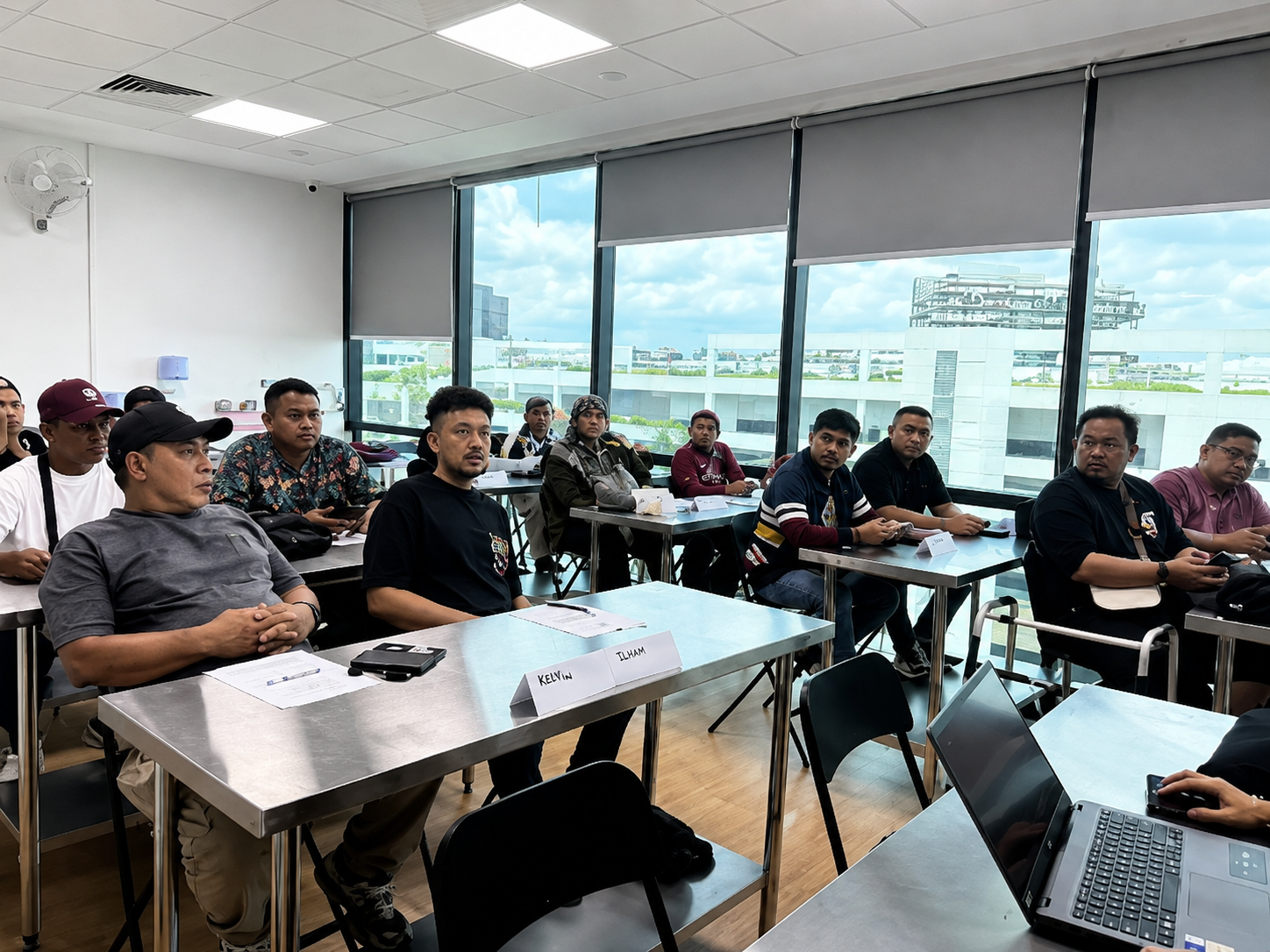
When Boon Lay Power Nasi Lemak first partnered with the Institute for Adult Learning (IAL), the goal was to take a structured first step. Through a NACE@IAL (Starter) consultancy in 2025, the heritage brand—grown from a grandparents' hawker stall into a multi-outlet business with a central kitchen and catering operations—formed a Sustainability Task Force, implemented practical Quick Wins, and began embedding workplace learning into everyday work.
More importantly, the project created momentum. While sustainability practices had started to take root, much of the kitchen still depended on the tacit knowledge of experienced staff. The next step was clear: transform that know-how into consistent workplace standards that everyone could follow.
To do that, Boon Lay Power Nasi Lemak returned to IAL, this time through a Learning Enterprise Alliance (LEA) project designed to finalise and roll out standard operating procedures (SOPs) across outlets, extend on-the-job training beyond the Task Force, and build internal trainers who could keep capability growing as the business does.
The Challenge: Turning Know-How into Shared Standards
Like many growing food businesses, Boon Lay Power Nasi Lemak relied heavily on the tacit knowledge of experienced staff. Kitchen skills were passed down informally through observation, with few standardised procedures for food preparation, portioning or workflows.
This led to inconsistent food quality, variable portion sizes, spoilage from overproduction, and time-consuming onboarding that depended on senior staff. As the business expanded into catering and multiple outlets, consistent and well-documented processes became essential for maintaining quality and controlling costs.
Beyond documenting procedures, the challenge was to transform individual know-how into organisational knowledge that could be transferred, assessed and sustained. Equally important, the solution had to be practical for a predominantly Malay-speaking workforce with many experienced older workers, respecting both their language and preferred ways of learning.
A Learning Plan Built Around the Kitchen
Rather than adopting a generic training programme, the LEA project was built around Boon Lay Power Nasi Lemak's actual operations. Working with kitchen leads and management, the IAL consultant co-developed three SOPs covering food preparation, portioning and waste management—areas critical to quality and consistency.
These SOPs were embedded into daily work through an SOP-linked on-the-job training (OJT) toolkit with visual job aids and coaching guides. Supervisors and kitchen leads were also developed as in-house trainers through a Train-the-Trainer approach, enabling the organisation to sustain training and onboarding independently.
This reflects a broader shift in Singapore's food services sector towards structured SOPs and workplace learning that improve consistency, accelerate onboarding and support growth across outlets, central kitchens and catering operations.
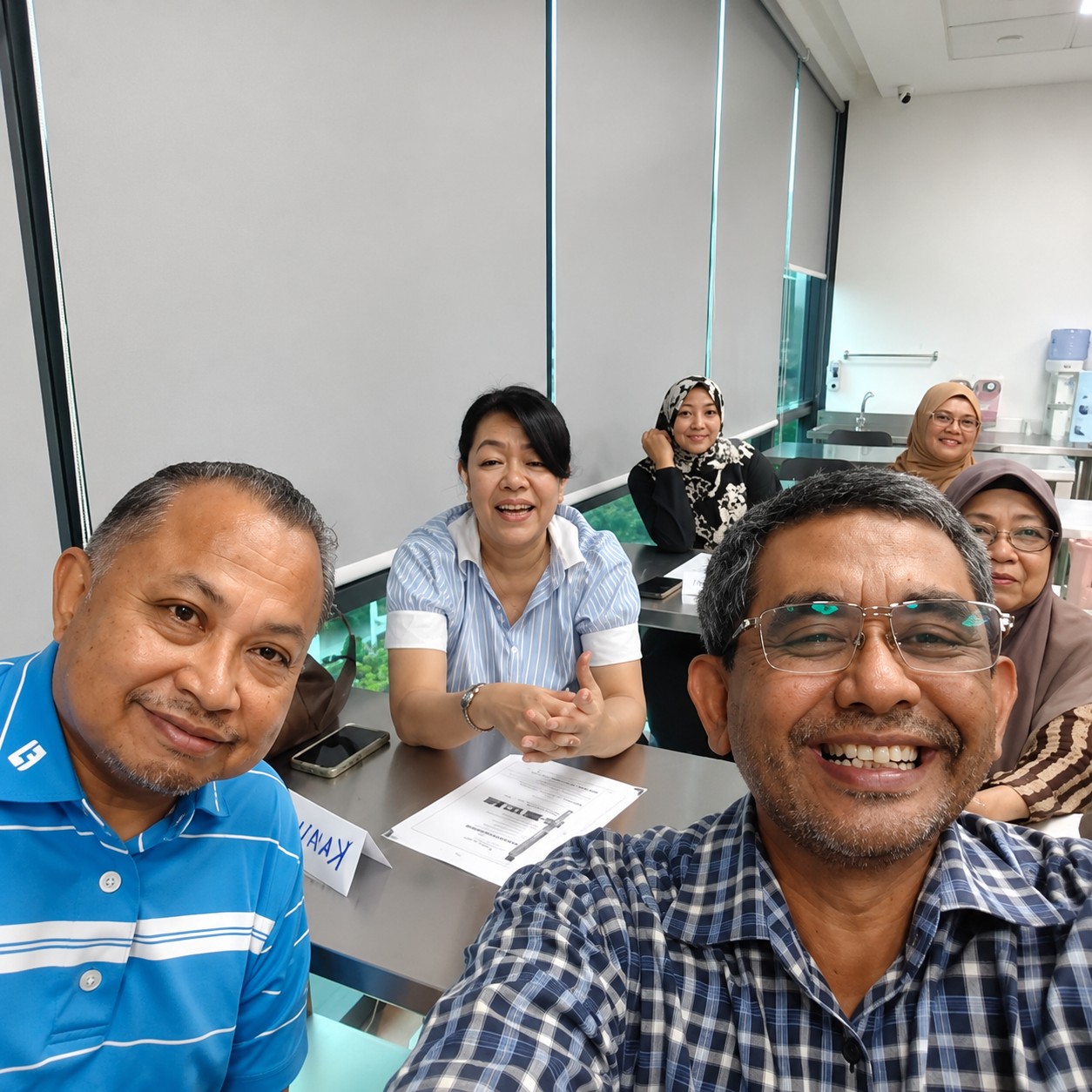
Learning That Meets Workers Where They Are
Embedding new standards in a busy kitchen requires more than well-written SOPs. Training was delivered bilingually in English and Malay, supported by simplified instructions, visual job aids and repeated hands-on practice. Rather than taking staff away from their work, coaching was integrated into daily kitchen operations, allowing learning to take place naturally in the flow of work. At the same time, supervisors were equipped to become workplace trainers, building the confidence and capability to coach, assess and sustain the new standards within their own teams.
For Operations Manager Mohd Ilham Bin Mohd Razali, that shift was personal. Reflecting on the journey (translated from Malay), he shared:
“This project helped me and my team a lot. I have experience in operations, but speaking English and teaching workers properly was hard for me before. During this project, I learned slowly with patient guidance and hands-on coaching. I helped to create the three SOPs, so I understand the work better. I also learned how to train workers using OJT and how to check if they are doing their work correctly. Now my team works in a more organised way.”
Mohd Ilham Bin Mohd Razali, Operations Manager, Boon Lay Power Nasi Lemak
Mohd Ilham Bin Mohd Razali, Operations Manager, Boon Lay Power Nasi Lemak
Outcomes: A Kitchen That Runs on Standards
By the end of the project, the impact was evident in day-to-day operations. With three key SOPs embedded into daily work, kitchen staff performed food preparation and portioning more consistently, while supervisors gained the confidence and structure to coach and assess staff against clear workplace standards. Overproduction and food rejection also showed a downward trend, particularly for higher-value items, reflecting better batch planning, tighter portion control and greater adherence to standardised processes.
More importantly, the capability to sustain these improvements now resides within the organisation. Supervisors can independently train and onboard new staff using a structured workplace learning approach, while clearer roles and responsibilities have strengthened ownership and compliance across the business.
For Founder and Director Mr Badrol Hisam Bin Ramli, the value of the project was both immediate and long term:
“We joined the Learning Enterprise Alliance because we wanted our kitchen work to be more organised and easier to manage. Before this, our workers just learned by watching and following seniors. Through the programme, we can train our workers more clearly, reduce mistakes and food wastage, and slowly get the business ready to grow properly.”
Badrol Hisam Bin Ramli, Founder and Director, Boon Lay Power Nasi Lemak
Badrol Hisam Bin Ramli, Founder and Director, Boon Lay Power Nasi Lemak
Looking Ahead: Deepening and Scaling
If the Starter project was about building momentum, and the LEA project about embedding standards, the next phase is about scaling capability. Boon Lay Power Nasi Lemak plans to build on this foundation through an Enhanced Project, developing additional SOPs, strengthening its on-the-job training framework, enhancing Train-the-Trainer capability, and extending consistent practices across more outlets and catering operations.
The enterprise is also exploring digitalisation and automation, moving from manual records to simple digital tracking and dashboards that monitor SOP implementation, support forecasting and batch planning, and enable supervisors to spend more time coaching than completing paperwork.
Together, these initiatives reflect a clear ambition: to build a kitchen that learns continuously, operates consistently, and is equipped to grow sustainably without compromising quality.
Looking to reduce reliance on tribal knowledge and build capabilities that can scale with your business?
Discover how NACE@IAL consultancy projects help enterprises turn operational know-how into structured workplace learning systems that improve consistency, productivity, and growth readiness.
Connect with IAL to explore how your organisation can take its first or next step in workplace transformation.